
Asset planning
Solar arrays; utilities; structures and client inspection requirements.
Drone Applications
Build practical application knowledge beyond the remote pilot foundation, with mission planning, safe field workflows and professional reporting.
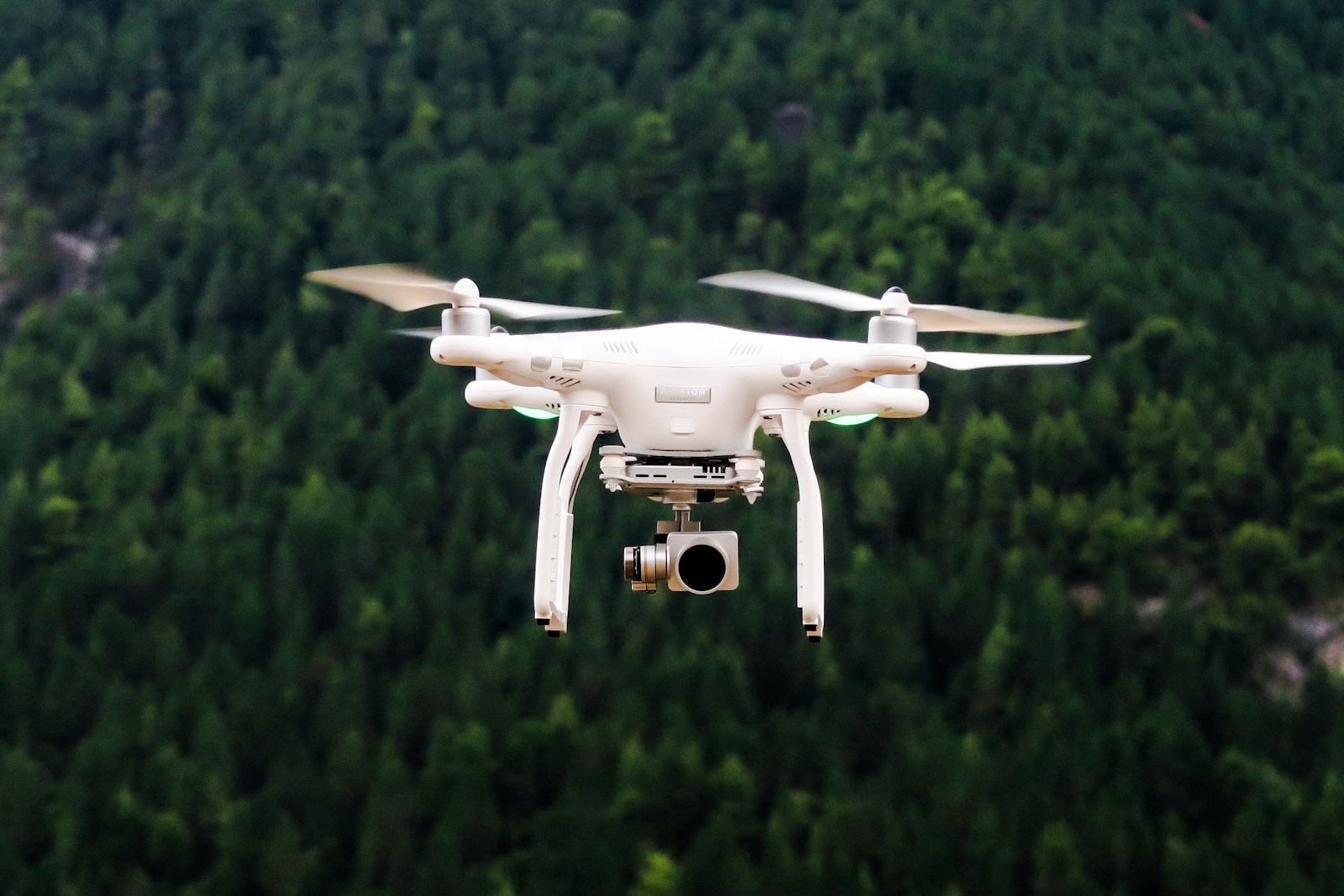
COURSE SYLLABUS
A structured outline of the knowledge, techniques and professional practice covered in this pathway.
Solar arrays; utilities; structures and client inspection requirements.
Utility clearances; exclusion zones; site coordination and operating limits.
Consistent angles; image identifiers; visible-condition records and thermal-imaging awareness.
Geotagged observations; prioritising anomalies for specialist review.
Organised folders; secure transfer; privacy and client confidentiality.
Mission plan and condition-observation report; engineering diagnosis remains separate.
PRACTICAL LEARNING
Prepare a mission plan, risk checklist, organised data record and a sample field report for the selected application.
Learning may include knowledge checks, supervised tasks, project work and a practical review. Any regulated or externally awarded certificate follows the relevant authorised assessment process. Discuss your progression goals before enrolling.
Application modules require separate arrangements and suitable prior learning. Sector-specific permissions and professional sign-off remain separate from remote pilot training.
BEFORE YOU JOIN
Interested learners and professionals who meet the confirmed entry requirements. Share your background so the team can assess a suitable starting point.
Contact the team with the course name and your preferred timing. You will receive current batch, duration, venue and fee information before making an enrolment decision.
Discuss your goal, read the final course plan, confirm delivery and assessment arrangements, and review the joining instructions.
YOUR NEXT STEP
Discuss your background, practical interests and preferred batch.